


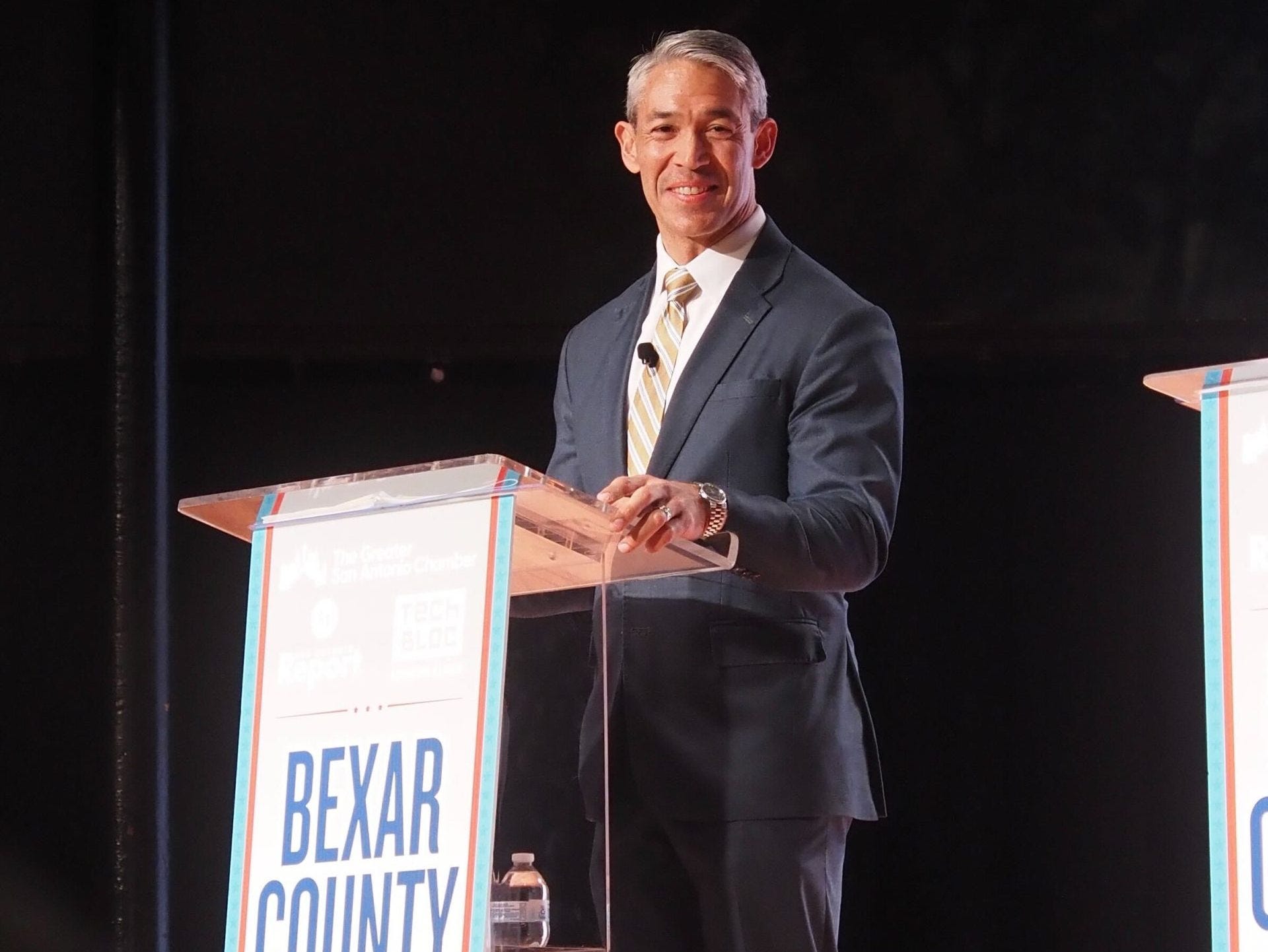
From workforce transformation to regional coordination, former San Antonio Mayor Ron Nirenberg reflects on the systems required to break generational poverty and build a more resilient Bexar County.
For years, San Antonio has talked about generational poverty. But when you consider that the average participant entering our Ready to Work program comes from a household earning roughly $11,000 a year, the conversation stops being theoretical.
It becomes urgent.
Many of those participants are single parents raising children while juggling multiple jobs just to keep food on the table. They are one unexpected bill away from crisis. For decades, we have known that children raised in households under that kind of pressure are statistically less likely to achieve economic mobility themselves. That is how cycles of poverty persist and grow.
If we are serious about changing that trajectory, we have to think beyond programs. We have to think about changing systems.
One of those systems, often misunderstood, is county government. The City of San Antonio is a home rule authority. It operates under a charter approved by voters and has broad power to pass ordinances, invest in neighborhoods, and deliver municipal services.
Bexar County is different. The county is an arm of the state. Its authority is explicitly defined by the Texas Constitution. It oversees elections, the justice system and courts, emergency management, major infrastructure in unincorporated areas, and, critically, our public health system. University Health, one of the largest taxpayer-supported hospital systems in Texas, operates at the county level.
Understanding that distinction matters because economic mobility does not sit neatly within one jurisdiction. It requires coordination.

During the height of the pandemic, the vulnerability of too many families became painfully clear. Tens of thousands of households were living on the edge. That reality demanded action at scale.
That is why we launched Ready to Work.
Approved by 77 percent of voters in November 2020, Ready to Work is the largest locally funded workforce development investment in U.S. history. It is designed to connect residents directly to training pathways aligned with actual jobs in our regional economy. Participants who enter the program, most often single parents raising children, come from households earning roughly $11,000 per year. When they finish and are placed into an approved job, which takes on average 72 days from training completion, they step into careers with average wages of roughly $44,000 per year, with benefits. Even more importantly, they now have a post-secondary credential that will increase their value in the employment market and lead to career mobility.
More than 15,000 residents are currently in the Ready to Work training pipeline. Thousands have been placed in new jobs. The economic impact thus far has added billions of dollars to our local economy. But the most important return on that investment will not be measured in GDP. It will be measured in children who grow up in households with stability instead of scarcity.
But it’s not just Ready to Work. We have invested in a true system of economic mobility that includes housing, transportation and the rest of the education pipeline: We expanded access to early childhood education. We launched the Alamo Colleges Promise program, ensuring that every high school graduate in Bexar County can attend community college tuition-free. We secured voter approval for mass transit investments that this community debated for decades. We created an affordable housing strategy that has been funded by voters and has now become a model for other cities around the country.
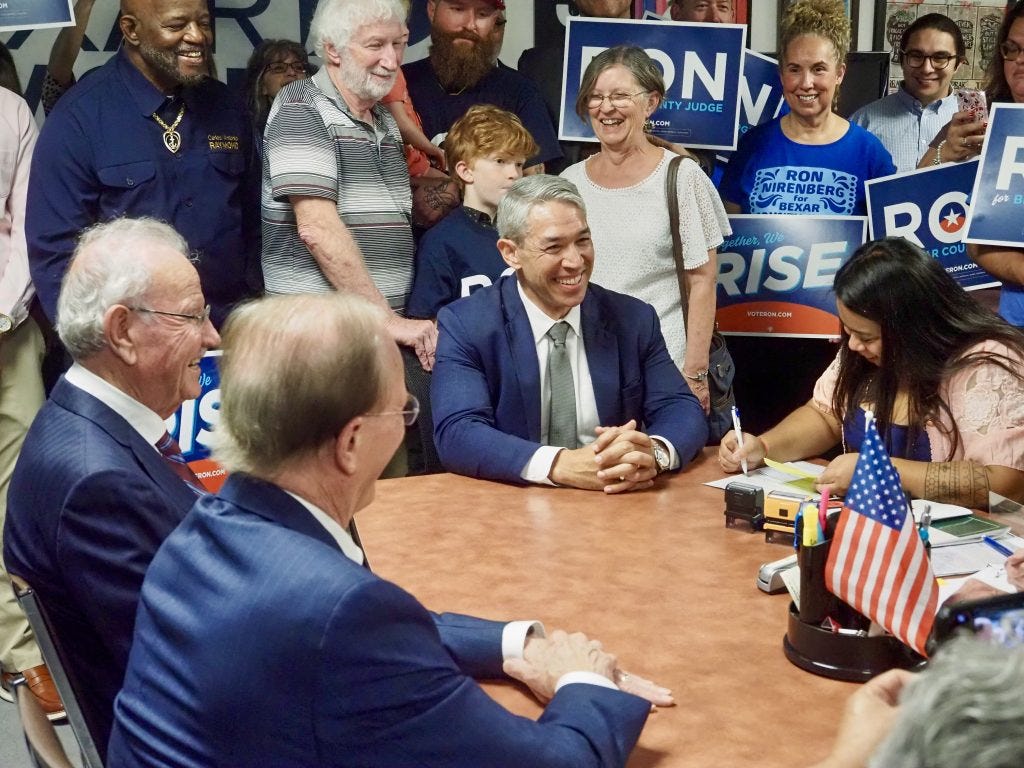
The county must now work in lockstep with these efforts by leveraging the resources of the University Health System to ensure every family in Bexar County has access to basic health care. That is an essential remaining pillar to an effective system of economic mobility.
The pandemic demonstrated how quickly a health event can become a financial catastrophe. In a county that operates one of the largest taxpayer-supported health systems in the state, we should be able to ensure that residents have access to essential, affordable care. No family should be one medical bill away from financial ruin.
As we’ve built that system, we also began rethinking our age-old approach to downtown development. For a community to thrive, it needs economic mobility and quality of life. The center of that life, downtown, should be a place not just for visitors, but for residents to live, work, and gather.
Project Marvel grew out of that broader realization: our downtown assets should not be developed in isolation and should not operate in silos. With UTSA expanding into the urban core, improvements underway at the Alamo, investments at Hemisfair, and needed upgrades to the Convention Center and Alamodome, we saw an opportunity to think bigger. Not about a single project, but about a coordinated district that supports quality of life and inclusive growth.
That means ensuring downtown investment benefits all residents regardless of where they live. It means fulfilling promises that had been made long ago to the East Side while executing projects on time and on budget. It means restoring trust by following through. If we do that, downtown becomes not just an economic engine, but a shared civic space that reflects our commitment to rise together.
But it’s also about who does the work, not just that the work gets done.
Every year, public entities in this community spend roughly $10 billion on contracts for goods and services. Too often, those opportunities never reach small, locally owned businesses that are willing and able to do the work. In fact, too many of those dollars leave San Antonio altogether. Through the SupplySA initiative, however, we convened over a dozen of the largest public entities to create a more streamlined and unified process for local small businesses to compete for public contracts. When we keep more of those dollars local, we build local payrolls, local ownership, and local resilience. We need to build on the SupplySA approach.
Ultimately, our shared vision is straightforward. Bexar County should be one of the most resilient and economically thriving regions in Texas. Whether someone lives in a rural pocket of the county, a suburban neighborhood, or in the urban core, they should have access to real opportunity and quality of life.
We have extraordinary assets: a growing population, a strong workforce pipeline, expanding transit and air service, and a health system with immense capacity. But assets alone are not enough. They must be aligned.

That is the work necessary to finally break the cycle of generational poverty. This is a region of immense opportunity, and the work of building a place where everyone can thrive must continue.
Together, we rise.
THE VOICE:
Ron Nirenberg
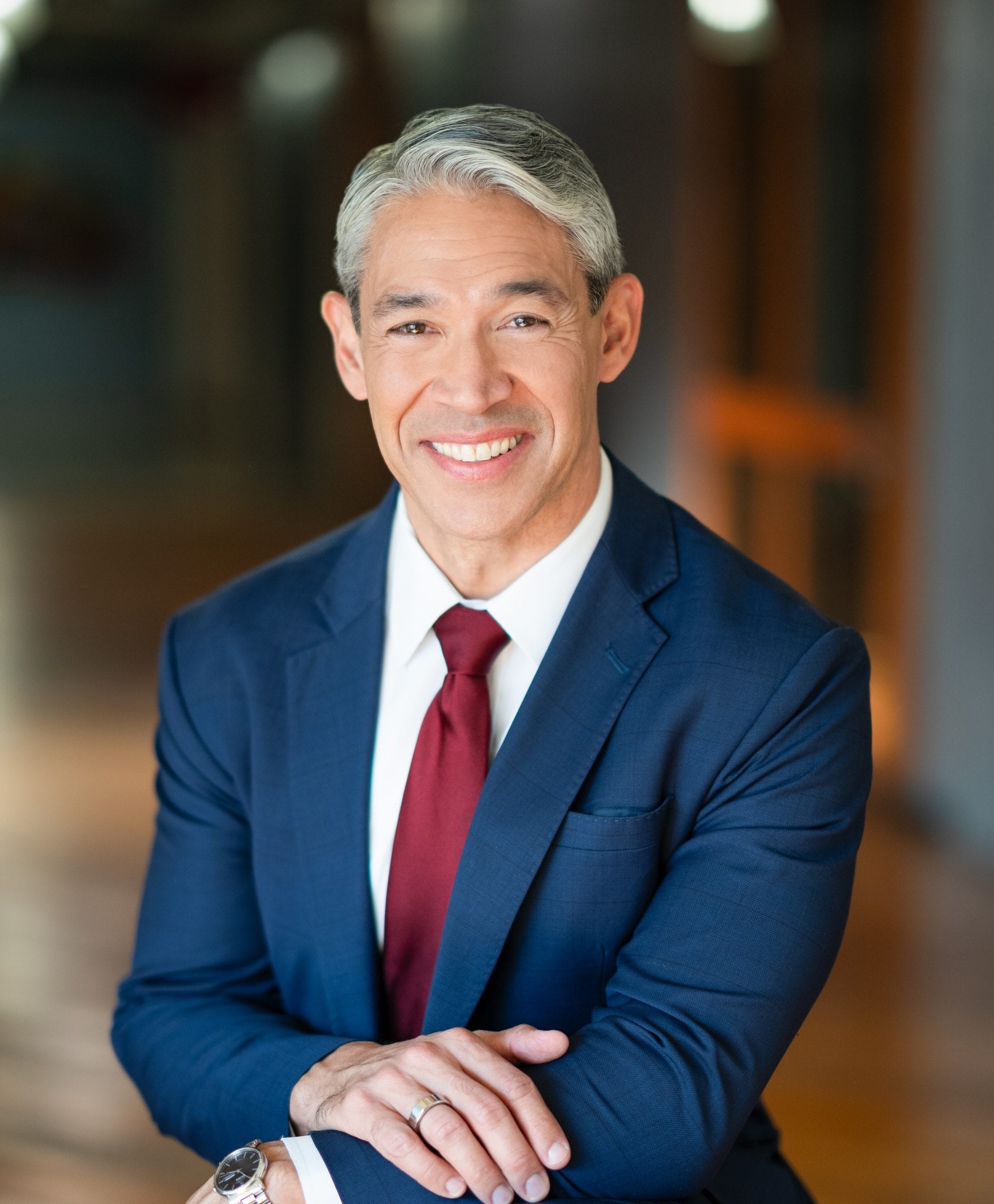
Ron Nirenberg served as Mayor of San Antonio from 2017-2025, and as City Councilman for District 8 from 2013-2017. During his tenure as mayor, Ron introduced SA Ready to Work and the city’s first Climate Action and Adaptation Plan. Now a candidate for Bexar County Judge, Ron looks to bring the same momentum in building stronger partnerships, creating a proactive local government, and improving Bexar County residents’ everyday lives.