


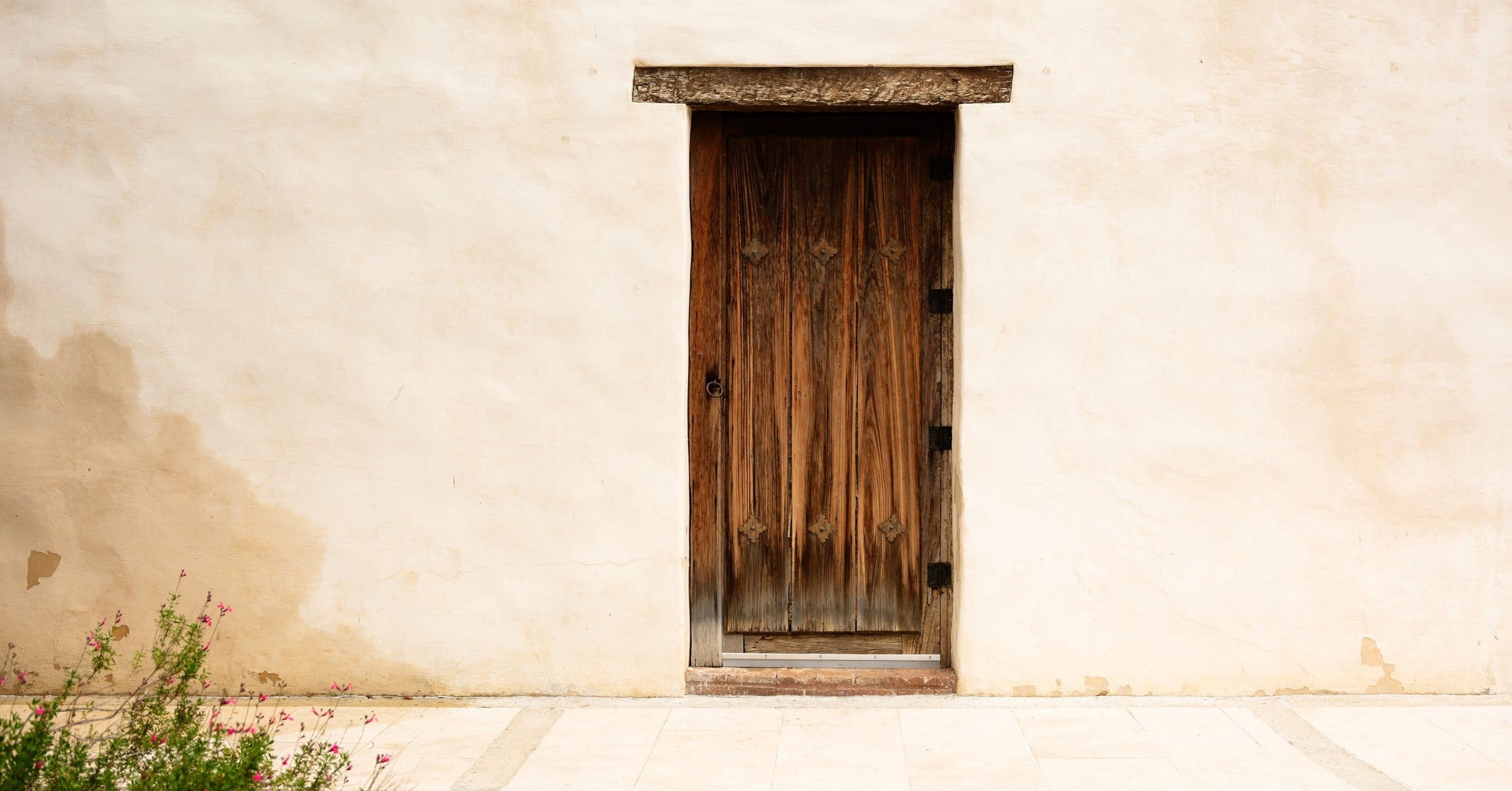
It is a curious thing that the incubator of innovation in our Silicon Valley founding mythology is the garage.
There are photos online of Steve Jobs’ garage, the starting point for Apple. Like a typical garage, it lacks ornamentation. There were storage racks and computers, and some filing cabinets. Also, pegboards for tools and various tables and chairs. The garage was attached to the home. It’s wide and takes up more than a third of the home’s façade. The street where it sits has no sidewalks.
You enter a garage through a door that opens by receding on a track. It is cavernous, typically a dark space with limited or no natural light. It is almost entirely enclosed on all sides. Like a front porch, it is a liminal space between public and private life, but unlike a front porch, which invites both in, the garage keeps both out. It serves as a barrier rather than a connector.
When it’s open, for garage sales or when you are getting the kids ready to go for a bike ride, it almost seems like it wants to be a porch. Neighbors can catch a glimpse, a small glance, of private life in the public sphere. Then it closes again.
The garage was built to accommodate the automobile, a technology that promised us freedom and space and then made itself a necessary medium for both. Zoning and highways created a new life for Americans. We became subdivided. It became harder to walk, it was harder to see people, and it was harder to live in community. Our new society was separated and isolated.
It was in this isolation, in our solitude, and in the darkness of the garage that came a new light. The digital age.
It promised to reconnect us.
In a segmented world of single-family-zoned homes came “home pages.” In the absence of plazas and gathering spaces came the “digital public square.” The car environment was anti-social, but we could use “social media.” We created “forums” for discussion. Online “marketplaces” replaced the impersonal and inconvenient experience of the parking-dominated big box store.
There was a day, perhaps when they were closer to the garage, when our new technology companies were exciting. They were young and visionary. They seemed heroic. They had solutions. They gave us hope that we could be connected again.
That changed.
The digital world rang hollow. The new light was blue light. The promise of freedom, connection, and convenience gave way to manipulation, control, and abstraction. The scrappy garage entrepreneurs became data collectors and the most powerful people on earth. In our isolation, we became sitting ducks for precisely targeted advertisements. We could consume like never before.
Our garages continued to fill with cars and clutter.
We became so isolated that now the newest technology that promises to “change the world” replaces human conversation. It masquerades as a friend, therapist, mentor, worker, and agent, but it isn’t real.
We are still separated, still isolated, and still alone.
We don’t want the metaverse. We don’t want the fake content. We don’t want to talk to the algorithms. We don’t want the flickering shadows produced by the screens.
We want the front porch, the walkable streets, the plazas, and the real light.
We need them.
THE VOICE:
David Morin
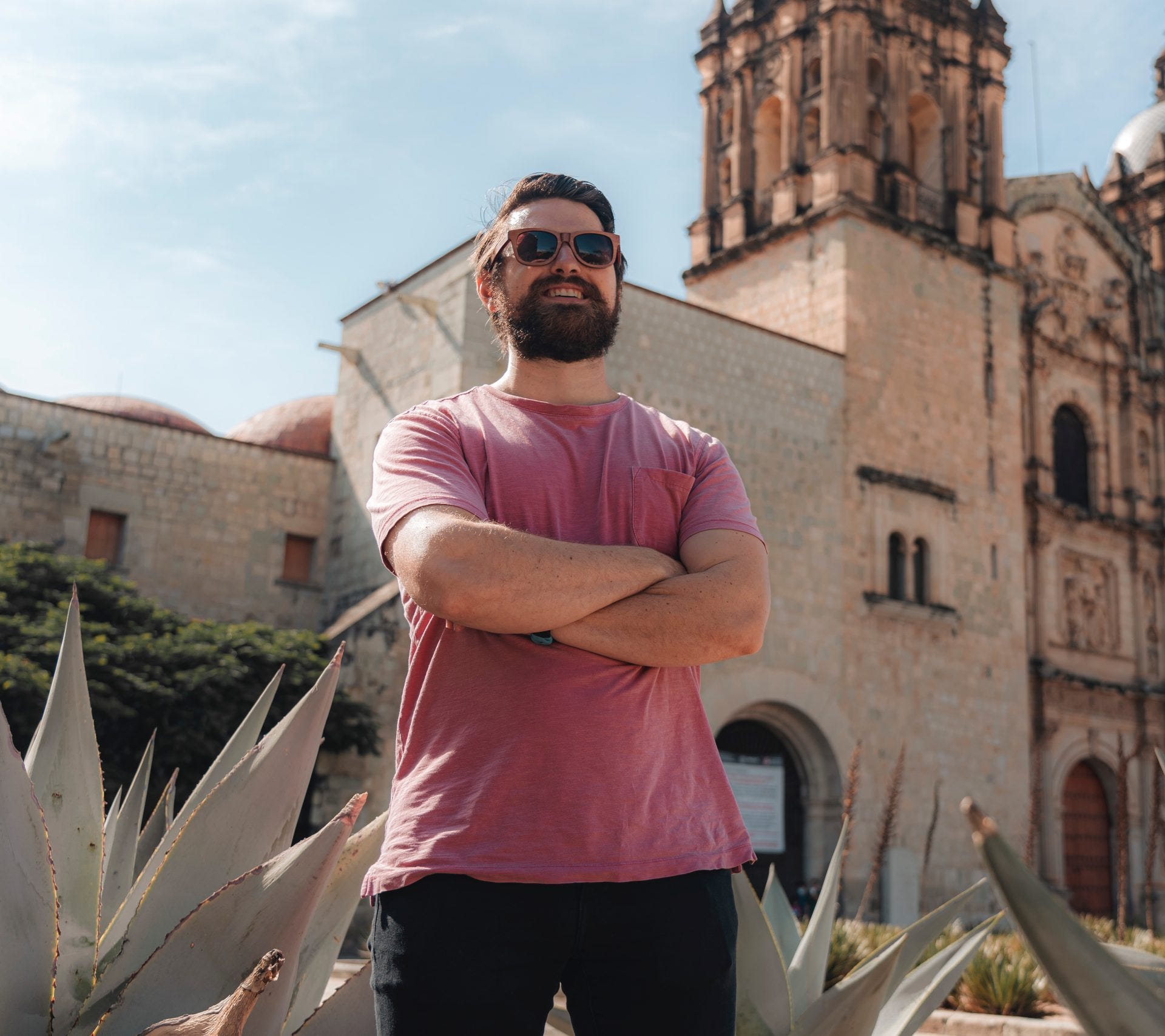
David is a Partner with MNO Partners, a real estate development firm focused on developing walkable and community-oriented projects throughout the San Antonio-Austin corridor. David is also the founder and (again) owner of Mission Kayak, San Antonio’s first kayak rental company on the San Antonio riverwalk. David also serves on the City of San Antonio Housing Commission’s Breaking Barriers to Affordable Housing Subcommittee and is the Co-Chair for the Urban Land Institute’s Neighborhood Development Local Member Council. In his spare time, David loves to walk through and explore San Antonio, envision its future, and hang out with his wife and two kids (both under two). David and his family are active parishioners of Our Lady of Grace Catholic Church and live in a historic neighborhood near downtown San Antonio.