


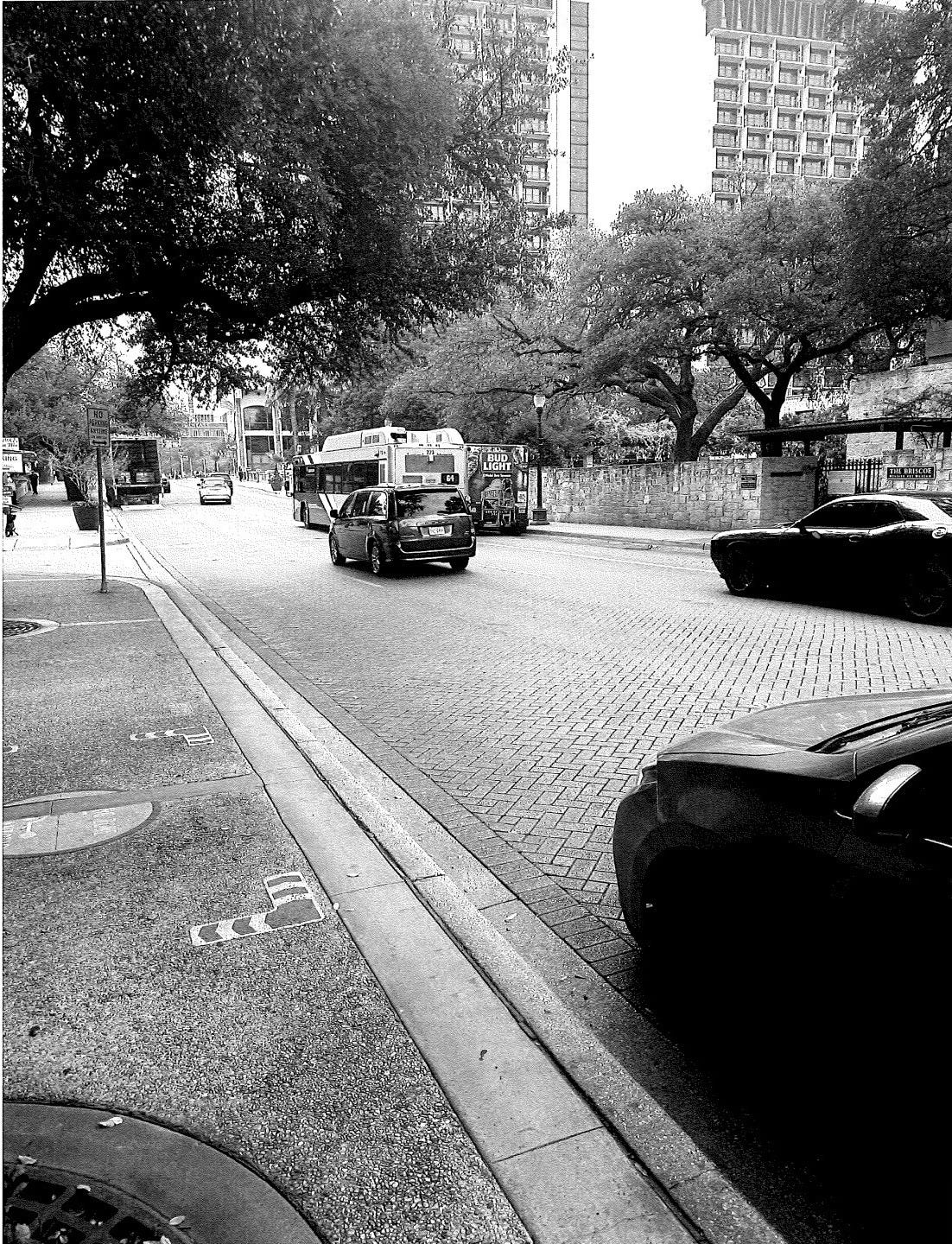
San Antonio is preparing to spend nearly $18 million on a project that would fundamentally change how people move through the heart of downtown.
Yet most San Antonians have never heard of it.
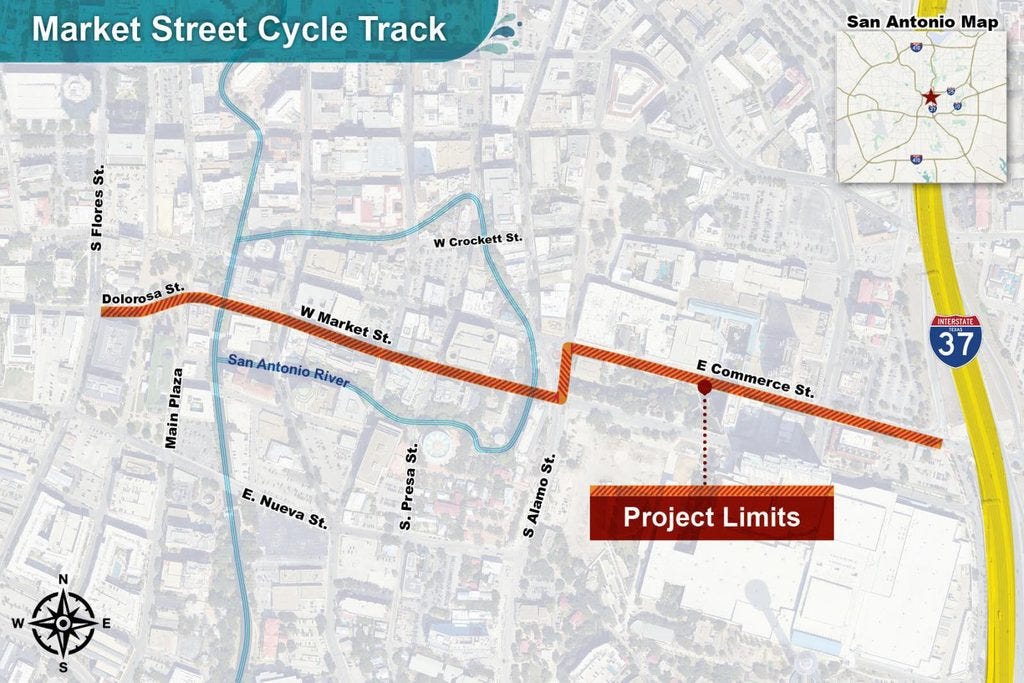
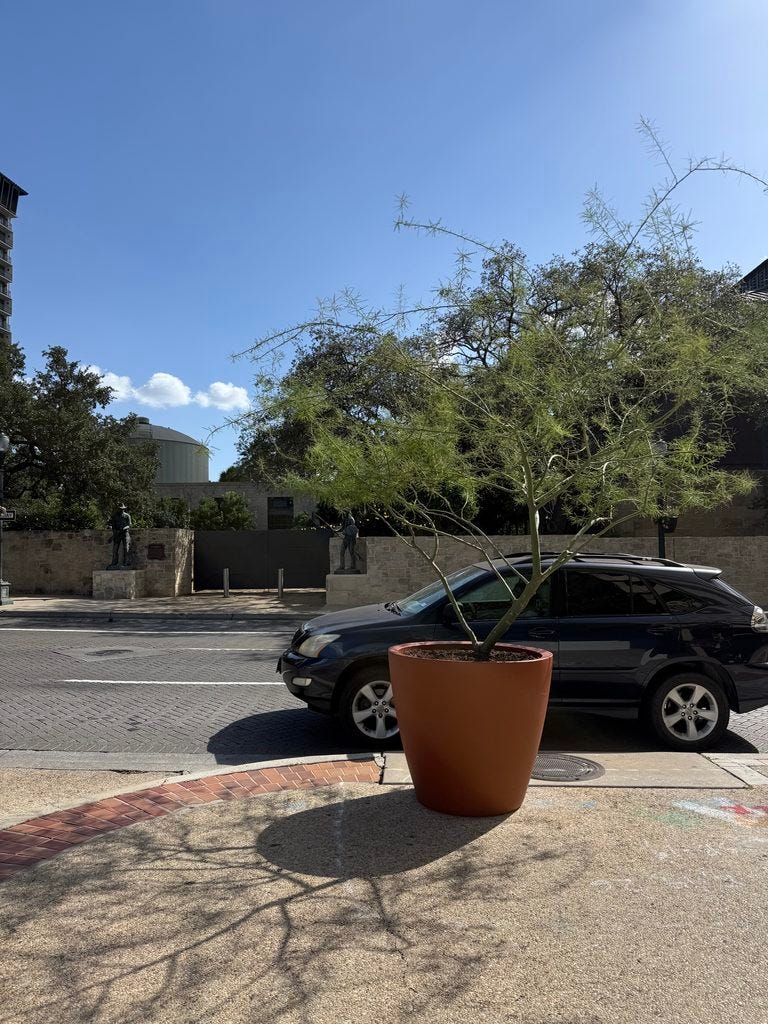
The proposed Market Street Cycle Track would create a separated, two-way bicycle route along Dolorosa and Market Street, turning onto South Alamo and continuing along Commerce. The project is currently in pre-design, with construction expected to begin in 2027.
Let me be clear: I am not against bicycle infrastructure.
Every great city should give people safe ways to travel by bicycle. San Antonio should, too. But good urban planning must respond to the place being planned—and Market and Commerce are not ordinary streets.
They are two of downtown’s primary east-west thoroughfares. They carry vehicle commuters, buses, police vehicles, delivery trucks, convention attendees, hotel guests, employees and thousands of people arriving for our city’s largest events.
They are not simply lines on a planning map. They are active commercial corridors and the workhouses of downtown —not empty space waiting to be redesigned.
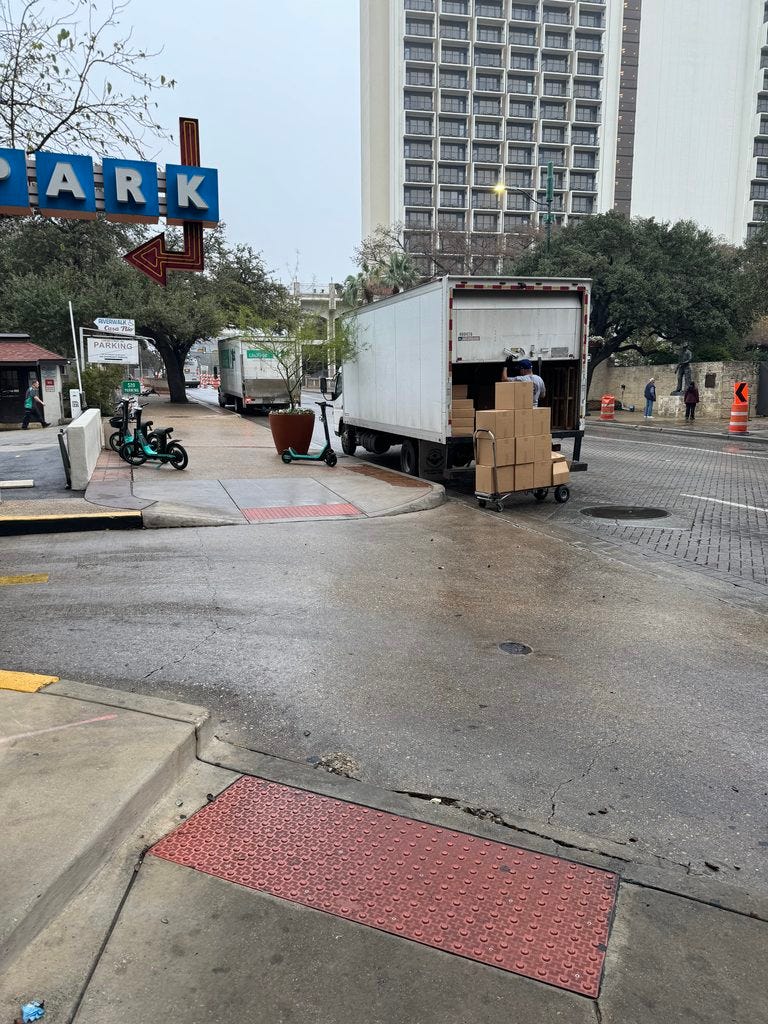
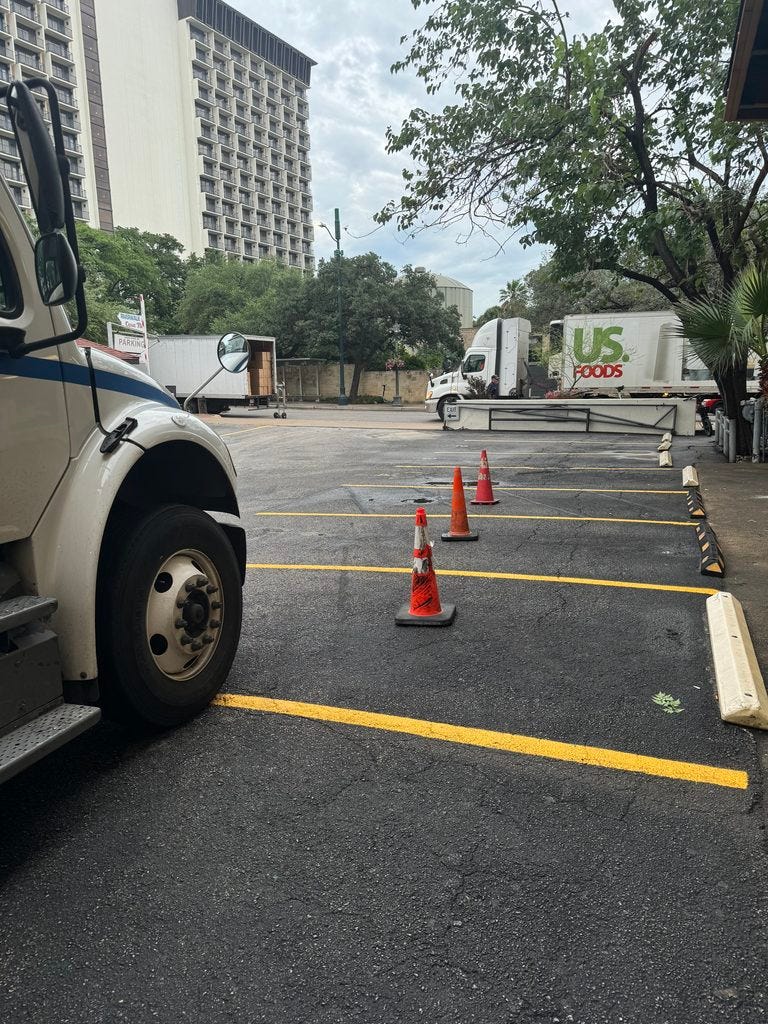
Spend one weekday morning on Market Street and you will understand. Police vehicles need access in front of the station. Trolleys wait between routes. Employees are being dropped off because downtown parking is often too expensive for the people who work here. Restaurants and River Walk businesses receive food, beverages, linens and supplies.
When our delivery bay is full, vendors sometimes park on Market Street and take the expected parking violation ticket. That is how little room exists for the ordinary ebb and flow of operating a downtown business. The street is not functioning inefficiently; it is absorbing the daily realities that keep downtown functioning at all.
Market Street currently has four lanes in key sections. One is dedicated to buses, while another is regularly needed for police access, deliveries and drop-offs. Add a separated bicycle track, and we could effectively be reduced to one consistently moving lane of general traffic.
Anyone who has been downtown during a parade, major convention or Spurs playoff night knows those lanes are already at capacity. Now imagine funneling that traffic into a single lane while San Antonio is simultaneously discussing major new downtown development and an entertainment district expected to attract even larger crowds.
That is not multimodal planning. It is solving for one form of transportation while pretending the others do not exist.
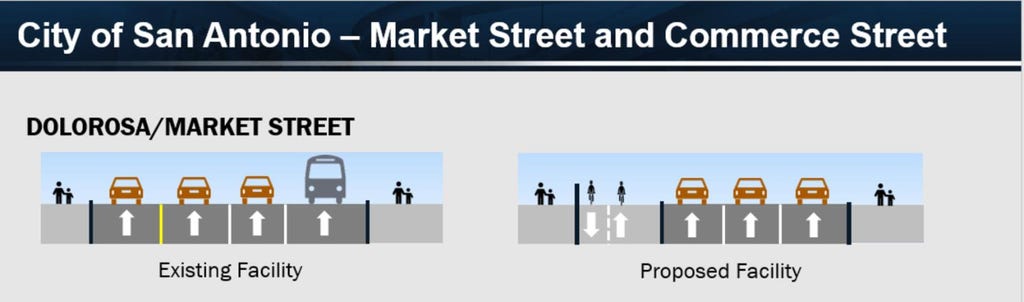
The City estimates the project at $17.74 million, including approximately $15.85 million from TxDOT and $1.89 million from the City. Some will argue that walking away from outside funding means losing an opportunity.
But free money is not free when the project creates permanent problems.
A grant should not make the decision for us. San Antonio is not weaker if it determines that a plan no longer fits the realities of its downtown. We are stronger when we are willing to examine the consequences and dictate the terms of our own future.
Rejecting this design would not mean rejecting bicycles. It would mean finding a route that creates a safe, meaningful connection without disabling the streets that keep downtown alive. Other corridors, configurations and less obstructive treatments should be considered with the people who use these streets every day—not after the concrete has already been poured.
There is also a much broader opportunity here.
Imagine directing that ambition toward wider and better-maintained sidewalks, shade trees, lighting, landscaping, safer crossings, seating, wayfinding and accessible pedestrian connections along Market and Commerce. Those improvements would benefit nearly everyone moving between our hotels, restaurants, the Convention Center, Hemisfair, the Alamo and the River Walk.
Downtown desperately needs investment. It needs beauty, shade, safety and a more welcoming pedestrian experience. What it does not need is another expensive project that looks elegant on paper but ignores how the district actually operates.
Downtown business owners are not resisting change. We have invested continuously through construction, street closures, and declining tourism periods because we believe in downtown San Antonio.
Yes, San Antonio should build strong bicycle infrastructure. But we should build it intelligently, in the right places, and with an honest understanding of what our streets are being asked to do.
I realize this may not be a popular opinion, particularly among readers who rightly see bicycle infrastructure as a marker of a modern, forward-thinking city. I expect some disagreement, and I welcome it. But “pro-bike” and “good planning” are not automatically the same thing. We should be able to look beyond what sounds progressive and ask whether a particular plan will actually work. My conviction comes not from resisting change, but from logic, firsthand experience and an unwillingness to confuse good intentions with good execution.
We have one chance to get this right. Nearly $18 million should make downtown work better for everyone—not create new obstacles in the heart of our city. San Antonio can afford to reconsider this plan. What we cannot afford is to spend millions solving the wrong problem.
THE VOICE:
Elizabeth Lyons Houston

Elizabeth Lyons Houston is Vice President and co-owner of Los Leones, a fourth-generation family business in San Antonio, Texas focused on hospitality and real estate. Working alongside her father, Bill Lyons, she leads growth efforts through expansion, marketing, and community partnerships. The company’s roots date to 1946 with Casa Rio, the first restaurant on the San Antonio Riverwalk, founded by her great-grandfather. Under her leadership, Los Leones honors its legacy—including restaurants and ventures like Broadway News and Schilo’s—while evolving to meet the needs of today’s patrons and the next generation.